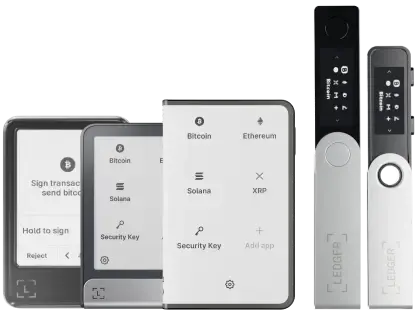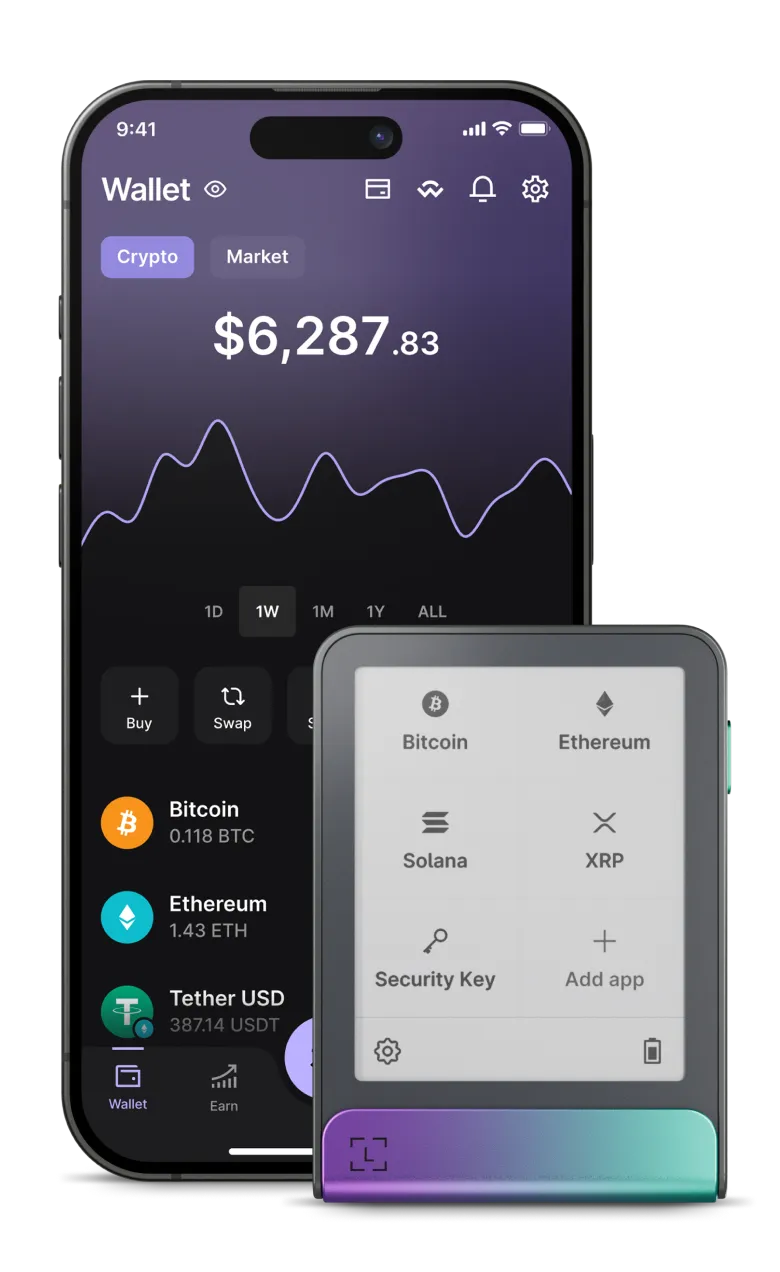

Meet Ledger Nano™ Gen5, the most playful signer yet

Discover now

Filecoin
FIL

$1.35

-0.45%
Rank 98
Price $1.35 -0.45%
Volume(24h) $108,403,986
Market cap $997,698,515

Filecoin PRICE USD CHART

Filecoin price today

The price of Filecoin (FIL) today is $1.35, which has a variation of 2.64% over the last 24 hours. The 24 Hour Trading Volume of Filecoin is $108,403,986

Filecoin Market Cap

The current Market Cap ranking of FIL is #98, with a live market cap of $997,698,515.

What is the Filecoin all time high?

Filecoin hit an all time high of $236.84.

With a price of $1.35 today, Filecoin (FIL) is -99.43% from all time high.

What is the Filecoin all time low?

Filecoin had an all time low of $0.848008.

With a price of $1.35 today, Filecoin (FIL) is 59.20% from all time low.

Frequently Asked Questions

Filecoin is a decentralized data storage system with the goal of “storing humanity’s most vital data.” It keeps data secure by distributing the responsibility of storing it across computers all over the world instead of having a single point of failure. As a data storage network, it lets users sell their extra storage space and rent it out to other users. 


Filecoin is frequently referred to as an incentive layer for InterPlanetary File System (IPFS), a peer-to-peer file transfer system that stores data using hash-addressed content structures rather than centralized servers and IP addresses. By serving as the incentive layer, it eliminates redundancy, promotes stability, and boosts efficiency. 


Filecoin (FIL) is a cryptocurrency that powers the Filecoin network. FIL tokens are utilized as a form of payment for these services and a financial incentive to guarantee that data are preserved safely over time.

Filecoin is a distributed, peer-to-peer network whose primary goal is to give enterprises and people a new method to store data all over the world. Its ecosystem includes the main network, nodes, miners, users, gas fees, and addresses. 


Let us take a look at how it all works. Users who want to save data on the Filecoin network must pay a miner on the network. The amount they pay is set by an open market where miners compete to give the best storage prices. According to Filecoin, this market will be “hypercompetitive,” making it less expensive than centralized data storage services like Amazon Web Services.


Miners are incentivized to supply storage space to users as they can earn FIL tokens. Miners need to perform “proofs” on the Filecoin network to earn these rewards. Proofs are computationally intensive processes that prove to the Filecoin network that miners are storing the data reliably. Filecoin employs two new proofs to ensure that miners are saving the data they claim to:

  • Proof-of-Replication – verifies that a miner has saved the claimed number of copies of data. 
  • Proof-of-Spacetime – verifies that a miner has kept the data for a certain amount of time.


If miners continue to store data securely and reliably over a period of time, they are allowed to create new blocks on the Filecoin blockchain and earn transaction fees and additional rewards.

Filecoin was founded by Juan Benet in 2014. It is being developed by Protocol Labs, which was also founded by Benet. Under the umbrella of Protocol Labs work, Juan Benet and the team launched Filecoin and also created the InterPlanetary File System. Filecoin was initially presented in 2014 as an incentive layer for the peer-to-peer storage network Interplanetary File System (IPFS).


In 2017, Filecoin raised more than $257 million in an Initial Coin Offering (ICO), with a target launch date of mid-2019. However, the launch of the Filecoin mainnet was postponed until block 148,888 and eventually launched in mid-October 2020.


In the fall of 2020, 400 miners took part in the “Space Race” testnet phase, expanding Filecoin’s network data capacity by about 325 pebibytes; the Space Race participants got around 3.5 million FIL tokens.

Proof-of-replication and proof-of-spacetime are used to protect Filecoin. These proofs work together to give users confidence that miners have the data they claim to have.


Filecoin network nodes are rewarded with FIL fees for providing reliable data to clients over a period of time. Since there’s high competition between miners as they constantly compete with others for contracts to offer data to clients, it is in the best interests of the miner to provide reliable and secure data. This keeps the network secure as only reliable data is being provided to clients.


However, online theft and fraud are often conducted not by attacking the blockchain network but by targeting users’ online/hot wallets to expose their private keys. Such malicious actors trick users into revealing their private keys or attack their system with malware.


Hardware/cold wallets overcome this vulnerability by storing private keys in physical storage devices cut off from the web and, therefore, out of the reach of malicious actors.

Prominent cryptocurrencies like Filecoin (FIL) are available on many centralized exchanges (CEXs) and decentralized exchanges (DEXs). CEX users compromise complete ownership over their crypto assets, as they do not have access to the private keys of the wallets holding their funds. Most CEXs also require KYC information these days, which is not ideal for people seeking privacy over their online activity.


DEXs are ideal for investors who prefer privacy and ownership over their assets. However, there are still some loose ends on the security front when online wallets are used, as they may expose private keys, resulting in thefts and frauds. 


Unfortunately, it’s not possible to buy Filecoin (FIL) on the Ledger Live app at the moment. However, it is possible to store FIL tokens on Ledger and send/receive them on Ledger Live. A Ledger hardware wallet saves your private keys offline and thus makes your crypto assets inaccessible for anyone except you in the event of a computer hack


Here’s how you can store and send/receive Filecoin (FIL) tokens:

  1. Get a Ledger hardware wallet.
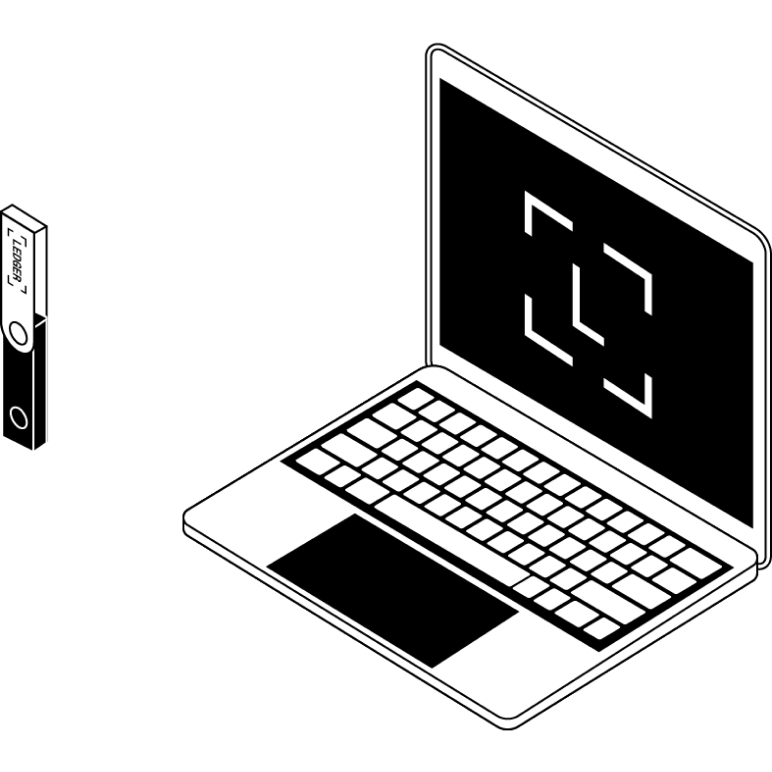
  2. Download and install Ledger web or mobile application.
  3. Connect the Ledger app with the Ledger hardware wallet.
  4. Install the Filecoin application from the app catalog.
  5. Start sending/receiving FIL using Ledger Live.

Ledger Wallet™
the all-in-one crypto app

Your assets. Your rules. Your future.

Available on Mobile & Desktop
Top up with ease

Top up with ease

Choose how you want to fund your accounts: Buy, Sell, Send, Receive.

Connect to dApps

Connect to dApps

Confidently navigate the DeFi landscape from a single secure space.

Diversify your assets

Diversify your assets

Swap securely across chains, CEX, DEX. Compare providers with clarity.

Grow your portfolio

Grow your portfolio

Put your crypto to work for you by staking. Earn cashback by shopping worldwide.

Ledger Wallet™ the all-in-one crypto app

Stay in touch

Announcements can be found in our blog. Press contact:
[email protected]

Subscribe to our
newsletter

New coins supported, blog updates and exclusive offers directly in your inbox


Your email address will only be used to send you our newsletter, as well as updates and offers. You can unsubscribe at any time using the link included in the newsletter. Learn more about how we manage your data and your rights.